Thermal 3Ht Insulation 4’x72’ Rolls
* Thermal 3Ht Insulation 4'x72' Rolls are available with Radiant Barrier on One Side or Radiant Barrier on Both Sides.
Contact Us To Order
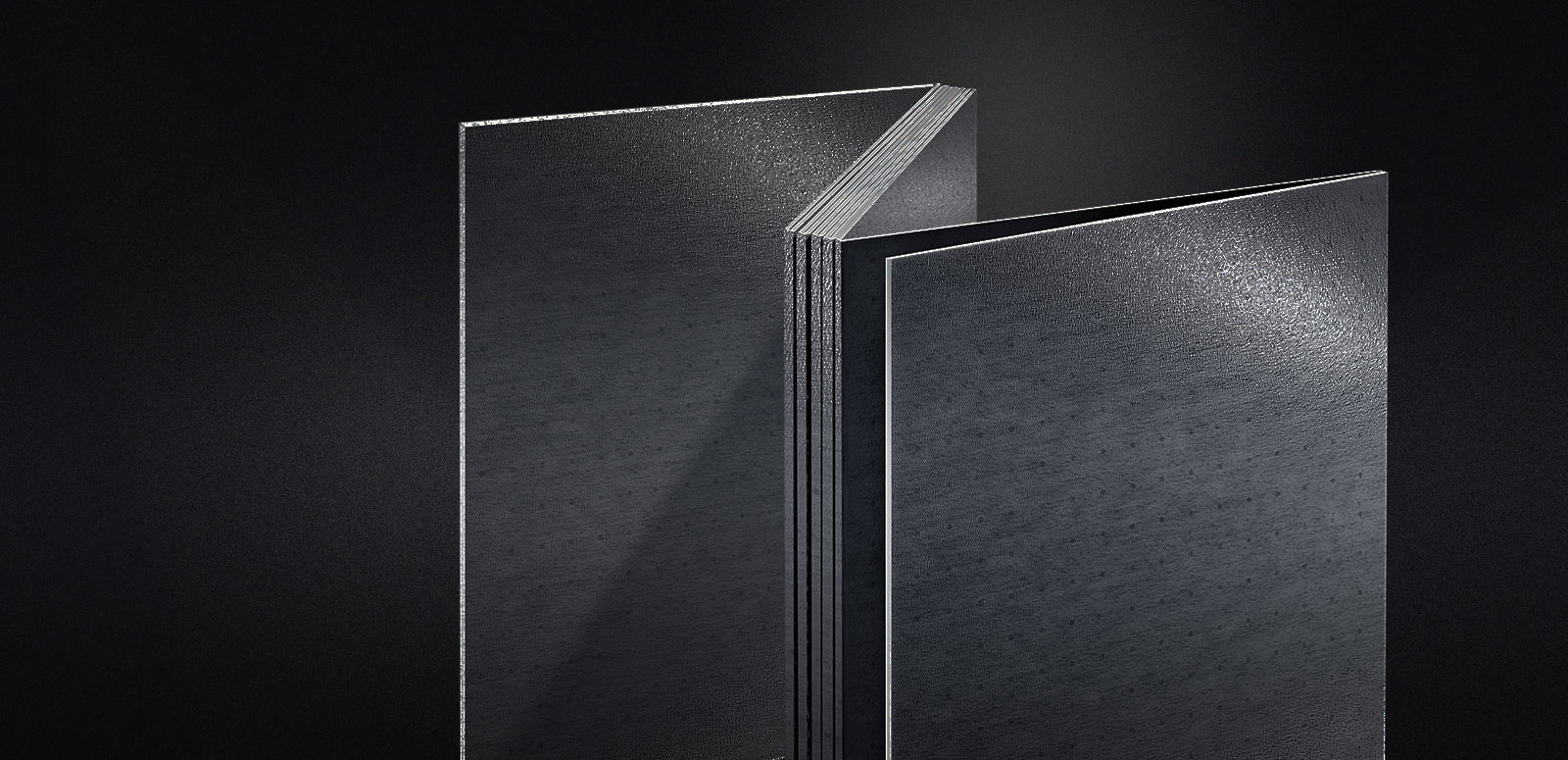
At Thermal Building Concepts we believe insulation must perform, not by itself, but as a system in the entire building assembly. Conventional R-Value testing only measures how insulation products perform by themselves. Factors such as wind, moisture, air movement, and building components like wood and metal framing members, sheet rock, OSB, etc. are not considered in conventional R-Value testing.
Thermal 3Ht Insulation's extensive ASTM testing considers the "Real World" performance of insulation products in actual wall assemblies. In many tested wall assemblies Thermal 3Ht Insulation on its own and/or combined with fiberglass insulation improved the overall R-value performance by over 100%.
After all, what's most important to you; the R-value of an insulation product in a laboratory? Or the actual R-value performance of a complete wall assembly in simulated "Real World" conditions?
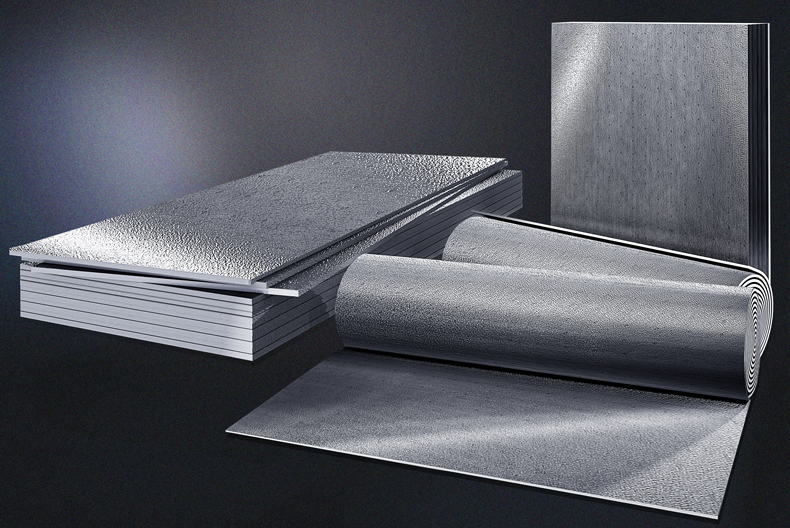
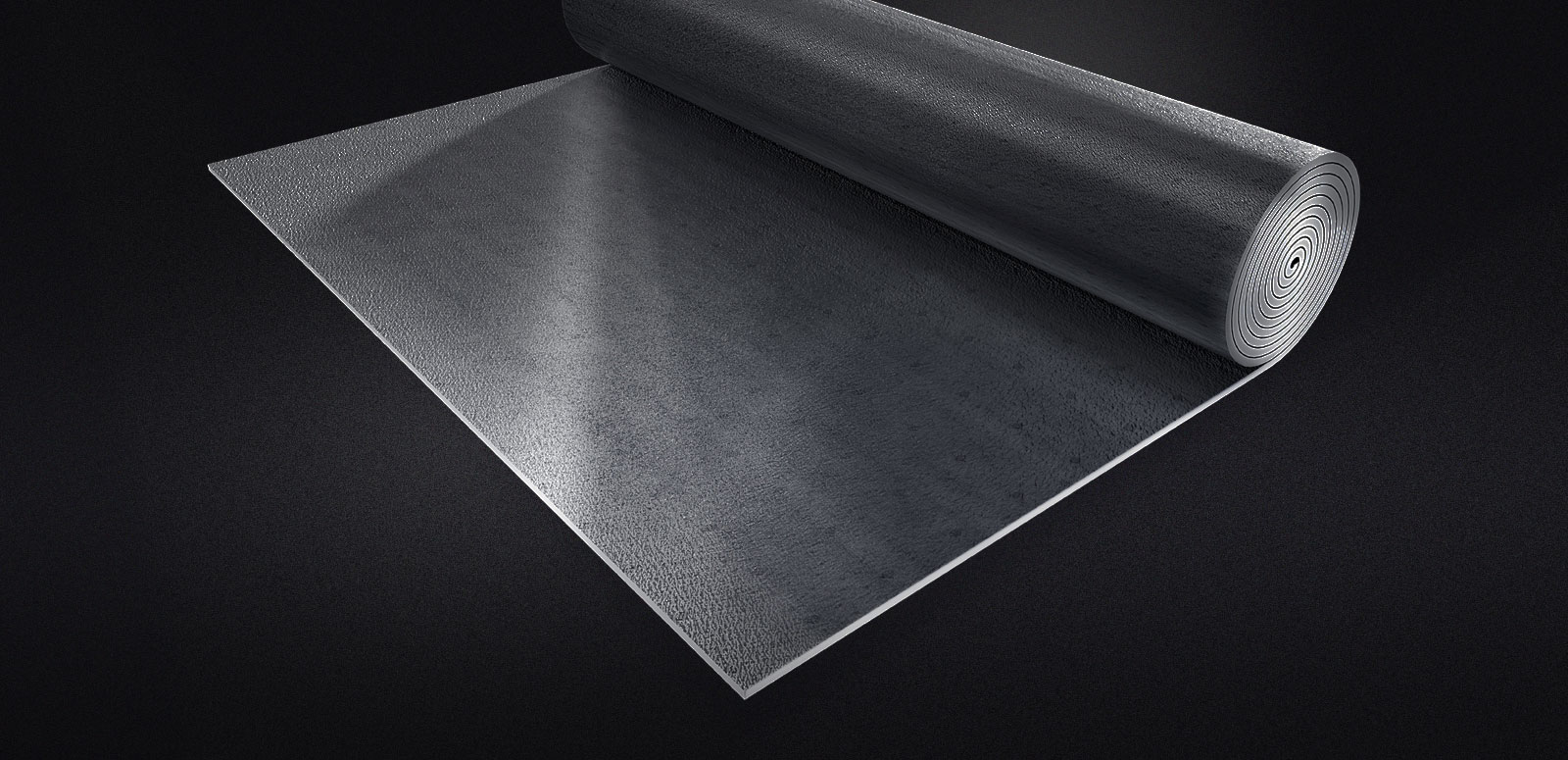
* Thermal 3Ht Insulation 4'x72' Rolls are available with Radiant Barrier on One Side or Radiant Barrier on Both Sides.
Contact Us To Order
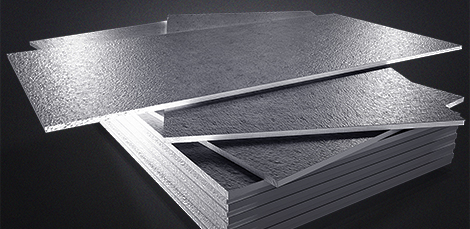
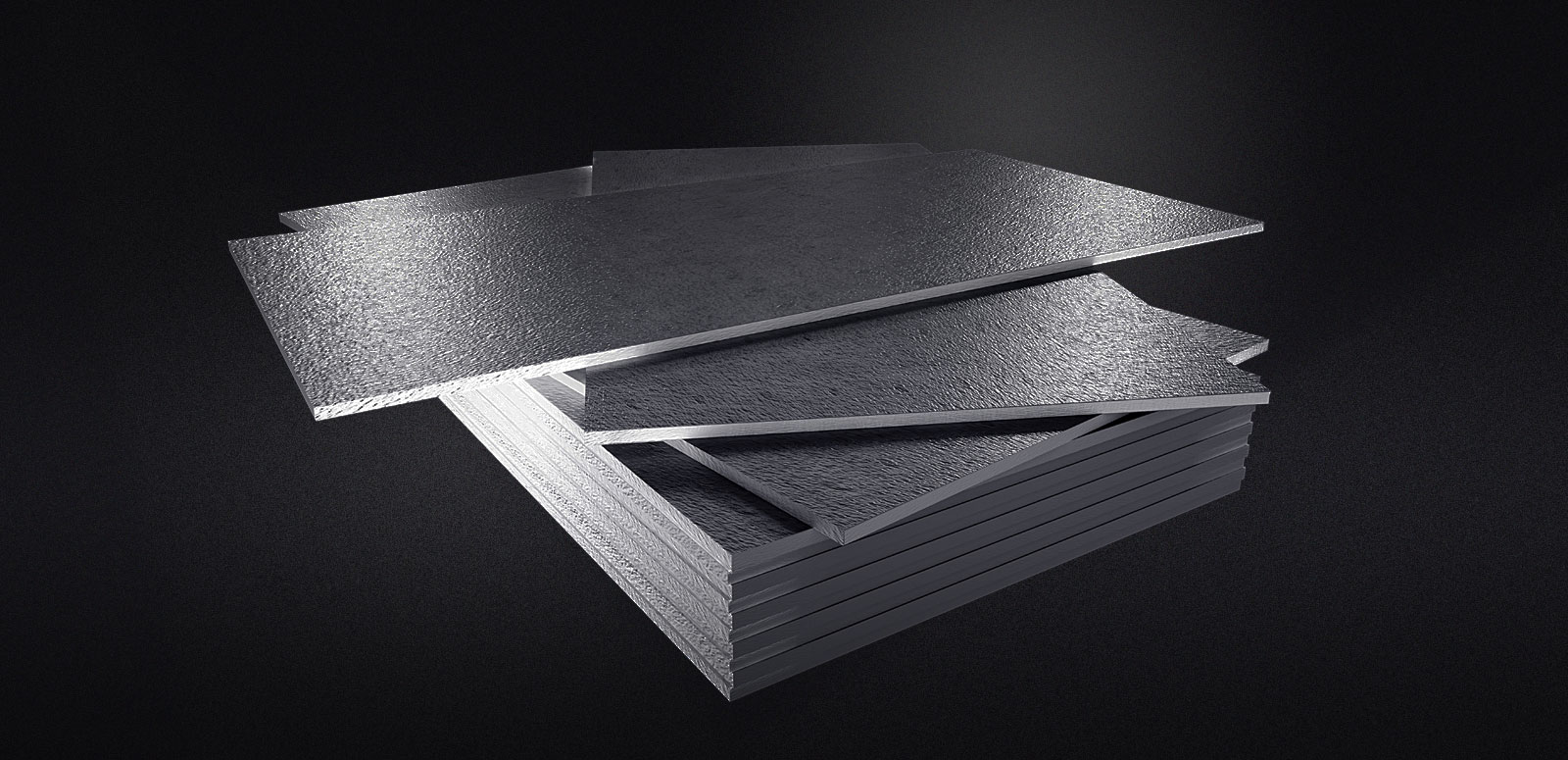
* Thermal 3Ht Insulation 4'x8' Sheets are available with Radiant Barrier on One Side or Radiant Barrier on Both Sides.
Contact Us To Order
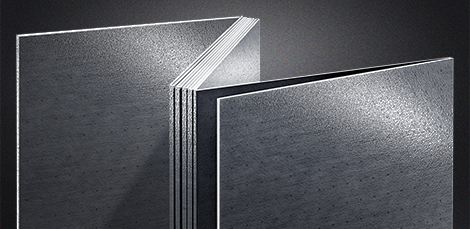
* Thermal 3Ht Insulation 4'x50' Accordion Fold are available with Radiant Barrier on One Side or Radiant Barrier on Both Sides.
Contact Us To Order
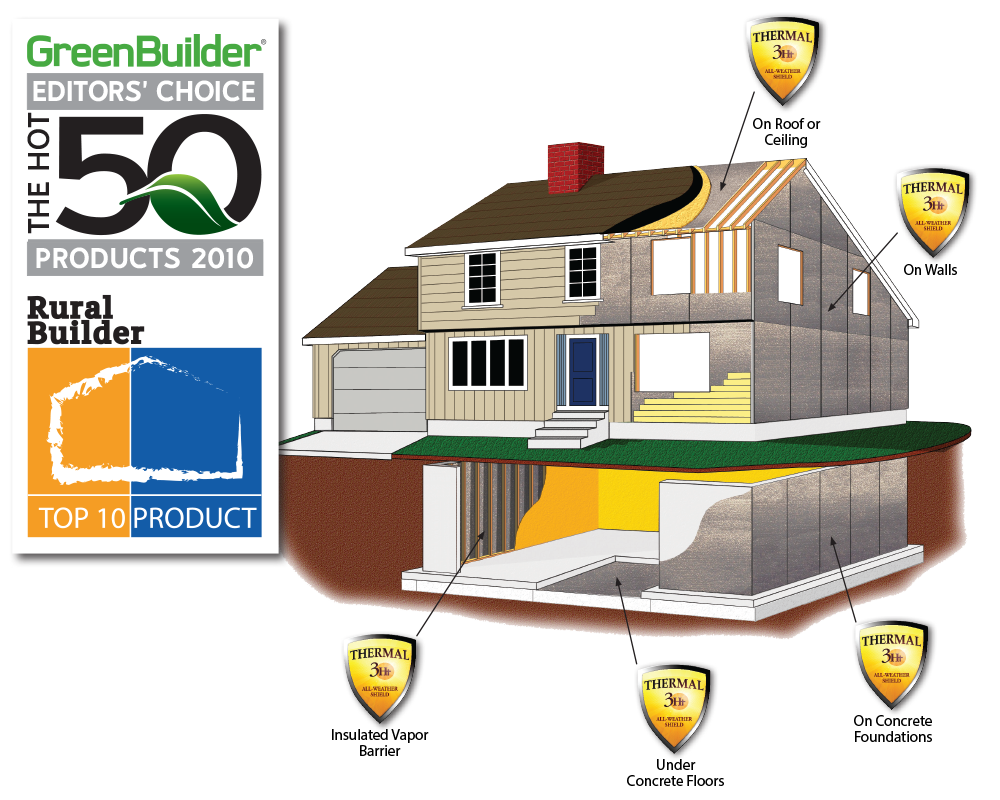
Thermal 3Ht insulation is a cost effective and efficient insulation system which addresses all mechanisms of heat transfer. In one product, Thermal 3Ht insulation is an air and vapor barrier, a radiant barrier and an insulator.
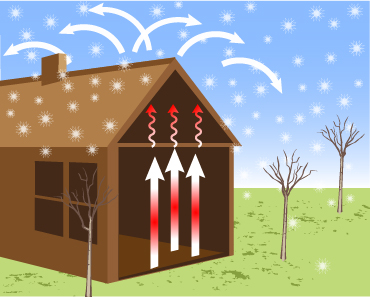
is the transfer of energy through matter. It is most effective in solids, but can happen in fluids. Example: hot element on a stove.
In building assemblies heat transfer by conduction occurs through cavity insulation, framing members, interior and exterior sheathing.
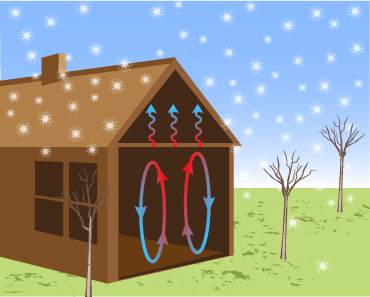
is the transfer of heat energy in a gas or liquid by movement of warmed air. Example: steam from a pot of boiling water. Since warm air is naturally displaced by cold air, convection within wall and ceiling cavities is a major contributor to energy loss in buildings.
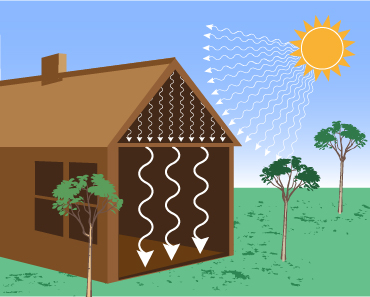
is energy transferred by infrared waves through space. Examples: heat from the sun or warmth from a campfire. Radiation is absorbed by solid surfaces such as shingles, wood and concrete. During the winter, typically 50-75% of heat loss in buildings is a result of radiation and 93% of the heat gain in the summer is due to radiant energy from the sun.
In the summer once a building's walls, roof and attic have reached their capacity for holding heat, the heat is then radiated to the cooler interior surfaces of the building. In the winter, the opposite occurs. The heat from the inside of the building is then radiated to the cooler exterior walls of the building and is transferred through the walls towards the cold air outside the building.
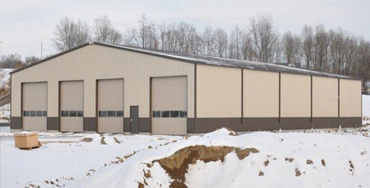
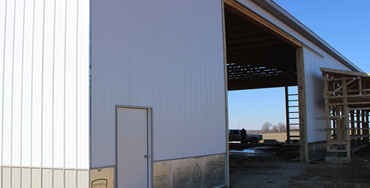
Pre-engineered steel building in Millersburg, Ohio erected in two weeks from start to finish.
View Gallery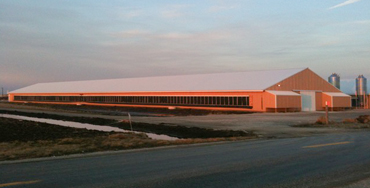
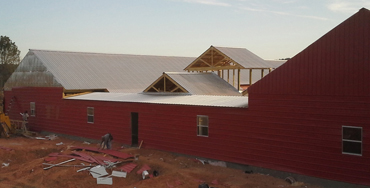
One of seventeen turkey barns built in the North central part of the United States.
View Gallery